
What to know before hitting the water!
June 30, 2025 • Travel • Trends • Health & Wellness

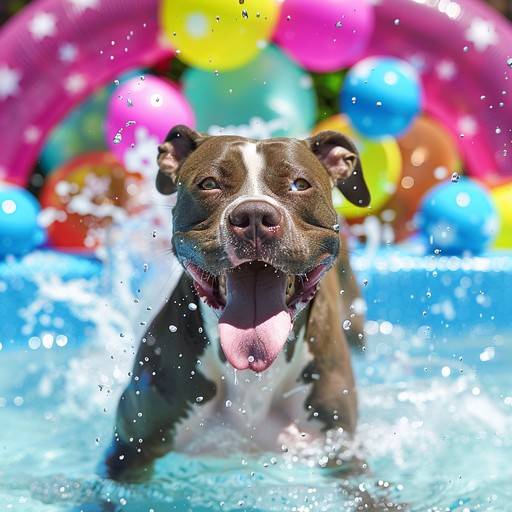
Spending time outdoors with pets during the warmer months often includes trips to lakes, beaches, or backyard pools. While swimming can be a great form of exercise and a source of cooling relief, it also comes with specific safety concerns. Pets are not always natural swimmers, and even those that enjoy the water may face hidden risks. Knowing how to keep pets safe can make water activities more enjoyable for everyone involved.
Assess Your Pet’s Comfort in Water
Not all pets take to water easily. Dogs with short legs or heavy bodies may tire quickly, while some breeds simply dislike getting wet. Introduce your pet gradually to shallow water and watch their behavior. A calm introduction helps avoid fear-based reactions and builds confidence over time. For those new to swimming, choose a quiet environment with a gentle slope or shallow entry, and never force a hesitant animal into deeper water.
Supervise Constantly and Stay Nearby
Regardless of skill level, pets should never be left unattended in or around water. Animals can panic or become disoriented if they lose sight of their owners. Even strong swimmers can become exhausted or trapped in pool corners. Always stay close and keep an eye on their body language. If your pet appears to be struggling or showing signs of fatigue, guide them out of the water and let them rest in a shaded area.
Use Proper Equipment and Access Points
Floatation devices can provide added safety for pets, especially in open water or unfamiliar environments. Look for well-fitting life vests with sturdy handles for easy lifting. At home, ensure there is a clear exit route that your pet can use to leave the pool independently. Dogs can become distressed if they do not know how to get out, particularly in pools with high ledges or limited steps.
Avoid Unsafe Water Conditions
Dirty or stagnant water may contain harmful bacteria or parasites that can make pets sick. Water with algae blooms should be avoided entirely, as these can be toxic if ingested. After swimming in any body of water, rinse your pet thoroughly to remove chlorine, salt, or debris. Pay close attention to ears and paws, which can trap moisture and lead to infections.
Monitor for Signs of Distress After Swimming
After the swim session is over, observe your pet for signs of illness or discomfort. Repeated head shaking, coughing, limping, or a sudden drop in energy can indicate an issue that may require veterinary attention. Keep pets hydrated and ensure they have access to fresh drinking water, especially if they were swimming in chlorinated pools or saltwater.
Maintain a Safe and Clean Swimming Environment
If your pet frequently swims at home, keeping your pool well-maintained is essential. This includes regular chemical balancing and routine cleaning to prevent contamination. Partnering with residential pool services can help ensure that the pool remains a safe space for both humans and animals. An improperly maintained pool increases the risk of skin irritation, eye problems, or digestive issues for pets.
Swimming can be a fun and healthy activity for pets, but preparation is key. Recognizing your pet’s abilities, staying alert, and providing a safe environment are all essential parts of the experience. With the right approach, your time in the water together can become one of the highlights of the season. To learn more, look over the accompanying resource below.
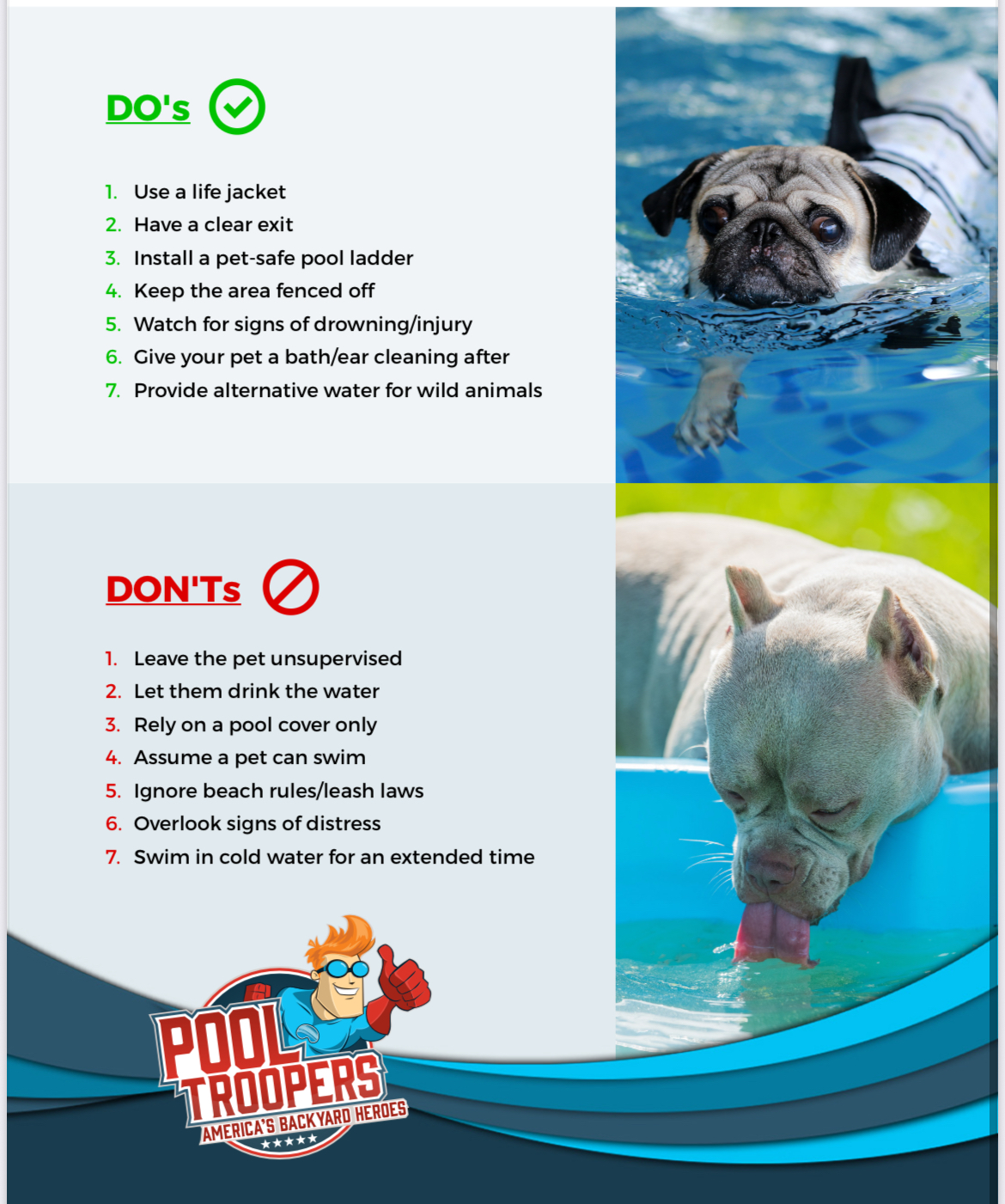
Shared From Pool Troopers
*For more information -https://pooltroopers.com/blog/swimming-with-pets-the-dos-and-donts/