
Aging Gracefully: How To Care For Your Senior Dog With Confidence And Compassion
October 06, 2025 • Health & Wellness


(photo credit: Microsoft Stock Images)
Dogs slow down with age, but that doesn’t mean their days should be any less joyful. Caring for senior pets requires small but meaningful changes that support comfort, mobility, and long-term well-being. These shifts can be easy to overlook in daily routines, especially when your dog seems to be managing just fine. Still, aging affects joints, digestion, cognition, and even mood, and adapting care accordingly ensures that your dog continues to feel safe and loved in every stage of life.
Adjusting Nutrition for an Older Body
Senior dogs often need different diets than their younger counterparts. As metabolism slows, excess weight can become an issue, putting pressure on joints and internal organs. Some dogs may lose muscle mass, while others may develop food sensitivities they never had before. Consider discussing dietary options with your veterinarian to find the right balance of protein, healthy fats, and joint-supporting nutrients like glucosamine or omega-3s. Pay attention to appetite changes, andkeep mealtimes consistent to support digestion.
Monitoring Movement and Mobility
Mobility becomes more difficult as dogs age, even for those that were once highly active. Pay close attention to how your dog gets up from lying down, climbs stairs, or jumps onto furniture. Stiffness or hesitation might signal discomfort, arthritis, or muscular strain. Non-slip mats, orthopedic bedding, and ramps for cars or high surfaces can make daily movements easier. Regular low-impact exercise is still important. Gentle walks and stretching help maintain flexibility and muscle tone without overexertion.
Health Checks and Diagnostic Support
Routine vet visits grow in importance as pets get older. Many age-related issues develop gradually, so proactive monitoring makes a difference. Annual exams may shift to twice a year, with a stronger focus on dental care, heart health, and early signs of chronic conditions. Radiography for veterinary technicians has become a valuable tool in this phase of life, helping identify internal changes that are not always obvious during physical exams. Early intervention often leads to better outcomes, especially in cases involving cancer, heart disease, or skeletal degeneration.
Comfort and Emotional Well-being
As your dog’s physical needs change, so do their emotional ones. Older dogs may become more sensitive to loud noises, changes in routine, or separation from their humans. Maintain a calm environment and avoid unnecessary stress. Spend time offering gentle attention, whether that means petting, talking softly, or simply sitting nearby. A predictable routine provides reassurance, especially for dogs experiencing age-related cognitive decline or anxiety.
Sleep, Senses, and Space
Dogs sleep more as they age, but the quality of that sleep matters. Ensure their resting areas are warm, supportive, and placed away from foot traffic or temperature fluctuations. Declining vision or hearing is common and can be disorienting, so keep their home environment consistent. Avoid moving furniture frequently, and use voice commands clearly and calmly. Simple adjustments like leaving lights on at night or using textured rugs as location cues can ease their daily navigation and reduce confusion.
Celebrating the Later Years
Caring for a senior dog means recognizing that every moment counts. Slower walks, longer naps, and gentle play are all part of this new rhythm. The bond between pet and owner often deepens in this stage, as care becomes more intentional and moments feel more meaningful. These years may require more attention, but they are rich with quiet joys and loyal companionship.
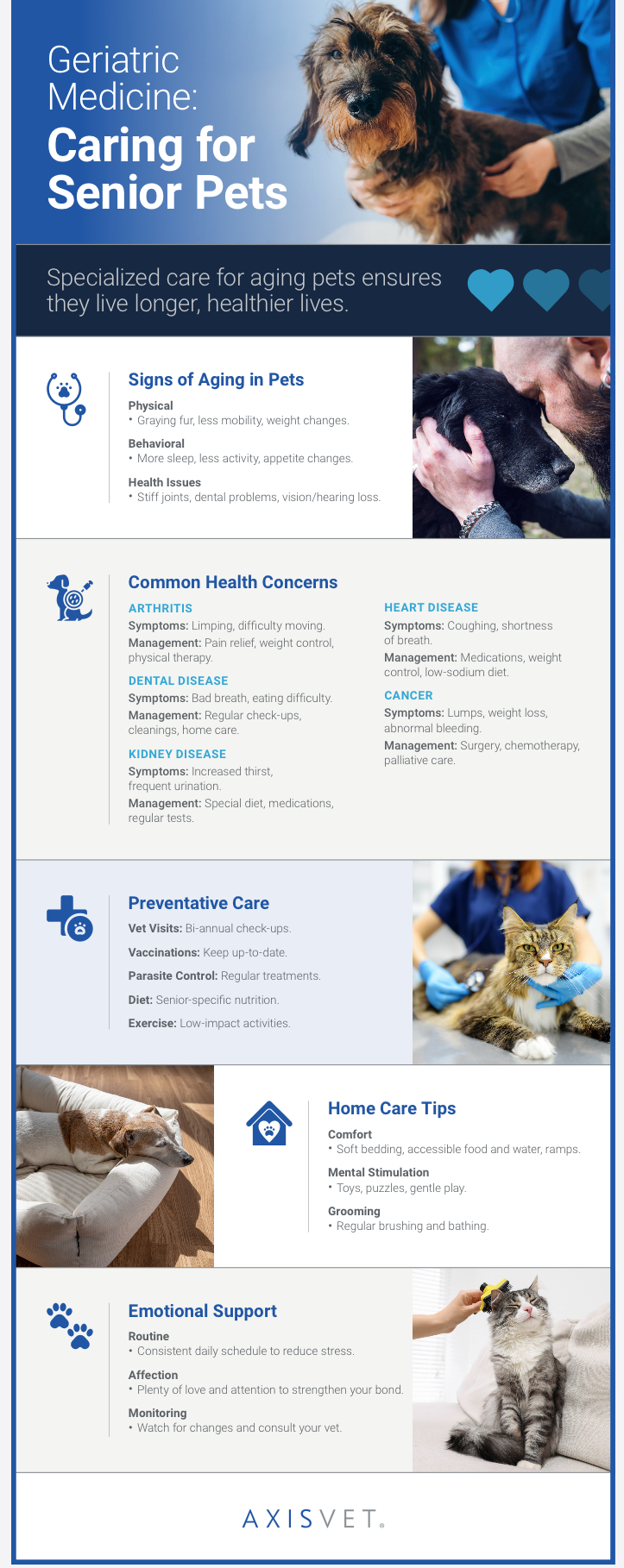
Giving your senior dog the support they need is an act of love expressed through patience and consistency. With the right care, these later years can be some of the most rewarding you share together. Look over the infographic below for more information.
Fido Friendly was provided compensation for this post
Related blog posts
-
 Inside The Canine Mind: Why Sensory Enrichment Matters
-
 Prepping Your Dog For Boarding: Tips For A Smooth Stay
-
 New Hope for Active Dogs with Arthritis - How Breakthrough Treatment Gave a Canine Athlete Back Joy
-
 Canine SurFURs Get Ready to Splash into Class - Helen Woodward’s Surf Dog Lessons are Back